Organic from the Heart: Our Family’s Promise to the Land
posted on
September 22, 2026
As I write this, we are beginning the long process of renewing our organic certification. I have to believe God has a sense of humor: I have never been fond of paperwork, and then I married a certified organic farmer whose work comes with plenty of it for me to help with! It has become one of those little ironies of farm life that makes us smile. People often ask what it takes to be certified organic. The short answer is lots of paperwork, detailed paper trails, and records for nearly everything we do. It can feel overwhelming at times, but each page is part of something deeply important to our family—our promise to farm with care, honesty, and respect for the land and animals entrusted to us.
Every year, we are audited and inspected to maintain our organic certification. As farm life would have it, the inspection usually falls during harvest season, when our days are already especially full. Before the inspector arrives, we gather around the table, make sure our records are up to date, and check that every required form is complete. It takes time and teamwork, but it is all part of staying true to the way we have chosen to farm.
In February, we send our annual update to the Midwest Organic Services Association (MOSA), and it is quite a package. We begin with our contact and business details and report anything that has changed. Then we review our certification information, including which crops and livestock are certified. On our farm, those certified products include alfalfa, hay, pasture, corn, soybeans, beef cows and steers, dairy cows and steers, and milk. We also share any changes to our operation, such as acquiring new farmland, adding new inputs that need approval, or beginning another venture. Next, we list any other certifications or verifications we have or need. In the coming year, we hope to become certified grass-fed while continuing to maintain our organic certification—another step that feels like a natural extension of the way we care for our animals and land. We also report our gross income from organic and nonorganic sales for the previous year, and our certification fee is based on our organic sales. Once those forms are finished, we move on to several detailed lists and supporting forms. Our livestock list includes every beef and dairy animal we own and notes whether an animal was sold, butchered, or died of natural causes. We complete winter and summer livestock ration forms as well, describing our feed rations and calculating how much of each ration comes from pasture during the grazing season. Next comes our crop summary and current-year field plan. On this form, we list each crop, how it will be harvested, how many acres we plan to plant, our projected yields, and whether we will sell the crop or use it here on the farm. We also list every seed we plan to use, its variety, the seed company from which it was purchased, and any treatments or inoculants applied to it. If an organic seed variety is unavailable, we must provide a seed-search letter and proof that the conventional seed was not treated with any prohibited substances. Finally, we include the crop and fertilizer plan we developed with our soil consultant. It is a lot of detail, but those details tell the story of the choices we make every day to protect the integrity of our farm.
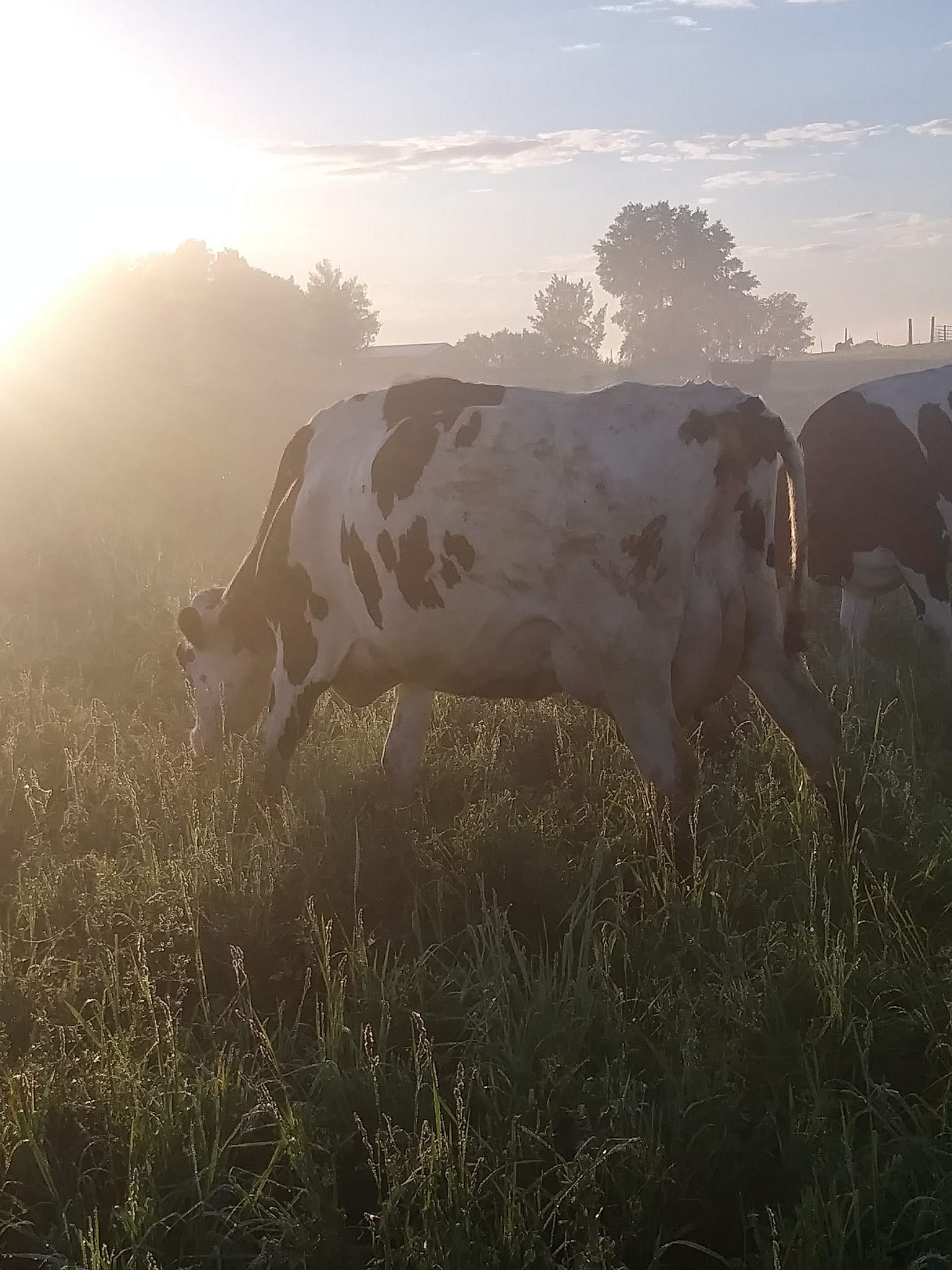
Throughout the year, whether we are caring for livestock or working in the fields, recordkeeping is woven into our daily routine. For our livestock, we record how much feed the animals receive and when we move the cattle to fresh pasture for rotational grazing. We also document breeding and calving, illnesses or injuries, confinement or transportation, and whether an animal was sold or butchered. For our crops, we record when we till or disc the fields, spread manure or approved organic fertilizer, plant, cultivate, and harvest. We track how many bales of hay each field produces, how many tons of silage come from a field, and how many bushels of corn or grain it yields. We save every receipt and tag for feed, seed, and fertilizer so we can show our certifier that we use only products approved for organic farming. The records may look like numbers and notes on paper, but to us they represent real days in the barn and fields—watching calves arrive, moving cattle onto green pasture, planting seeds, and bringing in the harvest. They also reflect how seriously we take the trust our customers place in our family and our farm.
In the fall, it is time for our annual inspection. An inspector from MOSA visits the farm, and we sit down together to go through all our records. The inspector compares the information we submitted in February with what we actually did throughout the year and makes sure everything is accurate and consistent. After the paperwork is reviewed, we walk around the farm together so the inspector can see our animals and fields firsthand. A typical inspection lasts four to six hours, depending on how organized our records are and how many new things have been added to the farm. It is a long visit during an already busy season, but it also gives us a chance to step back and see how the many small choices we make throughout the year come together.
Being certified organic takes a great deal of work, but for our family, it is worth every bit of effort. Organic farming is not simply a label or a certificate hanging on the wall. It is a way of life and a promise we renew each day: to care for the soil beneath our feet, to treat our animals well, and to produce food we are proud to share with your family. We want you to feel connected to where your food comes from and confident in the care behind it. Certification holds us accountable to rigorous organic standards, but our commitment comes from the heart. We are grateful for the trust you place in us, and we are proud to nurture that trust—one animal, one field, and one season at a time.

